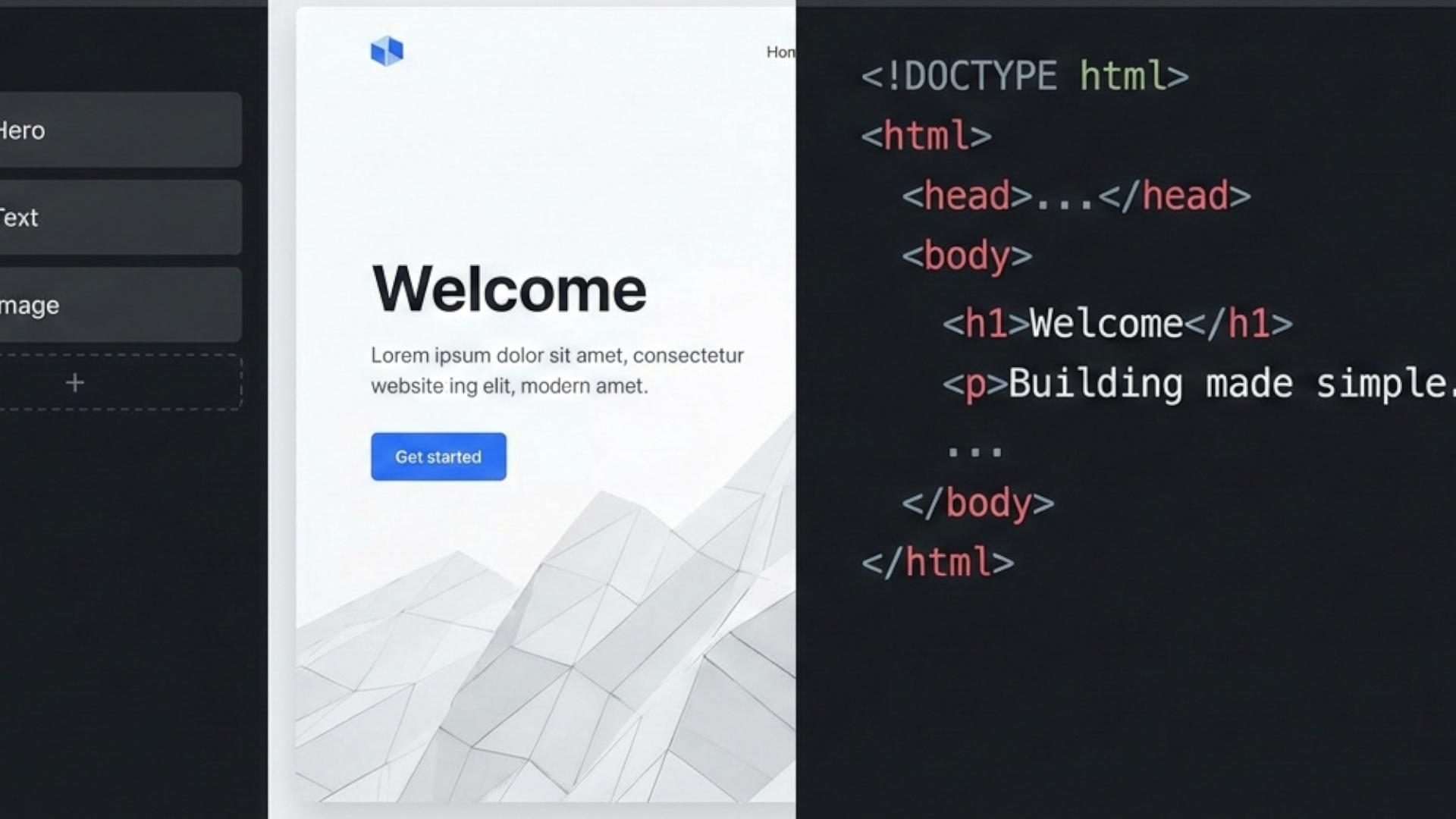
A year ago, I thought “full-stack developer” was a title reserved for people who’d been coding since the 2010s. To me, the web felt like a fortress guarded by languages I’d never learn: HTML, CSS, JavaScript, PHP, SQL—all at once.
When I discovered that most websites run on WordPress, I saw a lifeline. I watched a few YouTube tutorials, installed Elementor, and dragged my way to a site that looked modern. No code. No terminal. Just buttons and boxes.
For a beginner? That was perfect.
But six months later, I deleted it—not because it’s bad, but because I finally wanted my site to be mine. Here’s what changed.
The “Vibe Was Off”—And That’s a Valid Technical Signal
I can’t point to a specific error log or performance metric. There was no catastrophic crash.
It was quieter than that:
-
I’d hover over a button and think, “How do I change this padding?”—only to find three nested containers and a “Pro” paywall.
-
My contact form looked generic, and customizing it meant fighting against preset styles I couldn’t fully override.
-
Every update felt like a gamble: Will my layout break again?
In hindsight, this “vibe” was developer friction—the subtle tax of using a tool that abstracts away the very layer you need to understand to grow. For new users, especially in markets with average internet speeds, that friction isn’t just annoying—it’s exclusionary. Heavy page builders can delay interactivity and obscure learning opportunities.

My First Real Win: Owning a Single Form
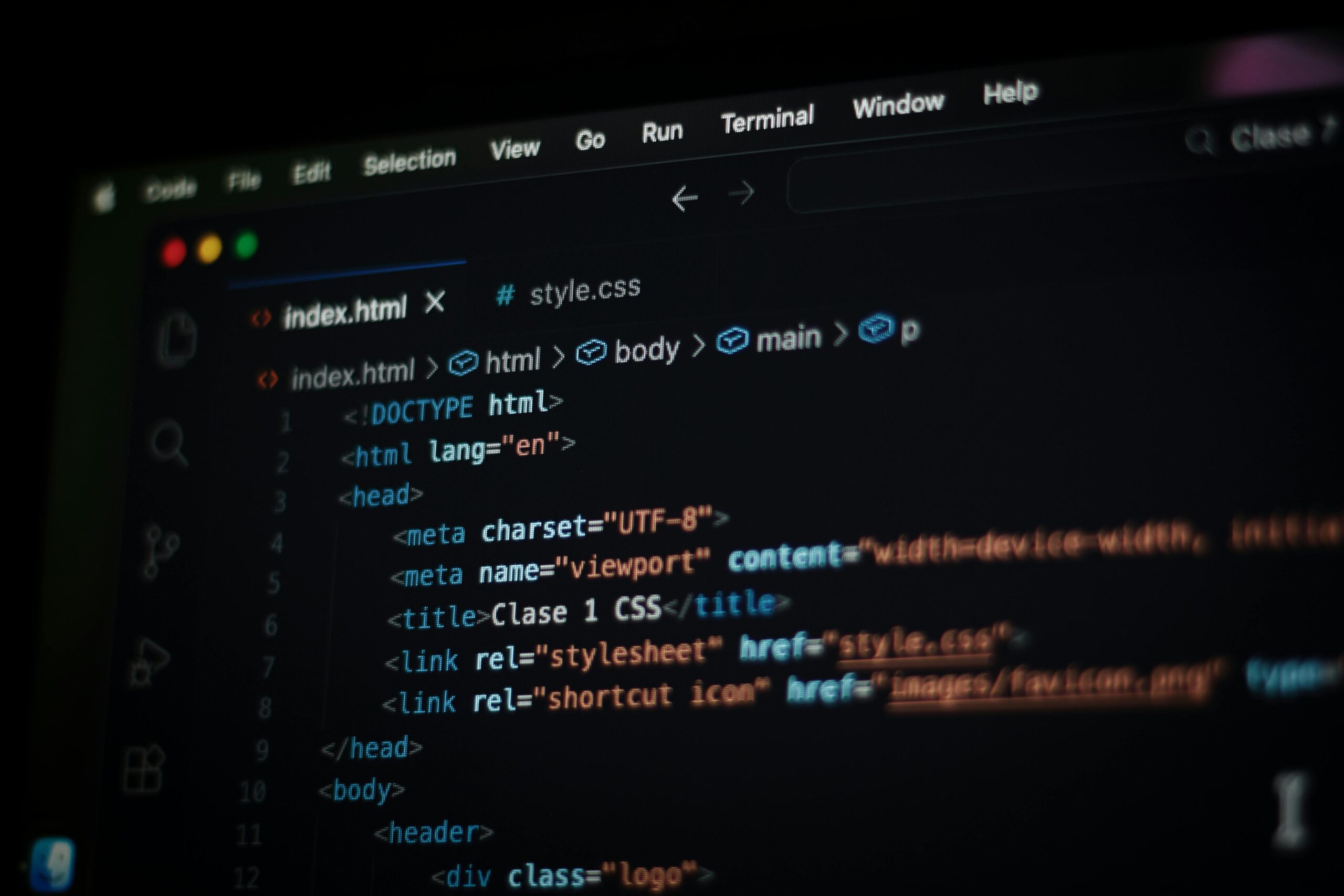
The turning point came when I decided to style my contact form directly—with CSS.
No plugin. No shortcode. Just:
|
1 2 3 4 5 6 |
<span class=“token comment”>/* In Appearance → Customize → Additional CSS */</span> <span class=“token selector”>.contact–form</span> <span class=“token punctuation”>{</span> <span class=“token property”>background</span><span class=“token punctuation”>:</span> <span class=“token function”>var</span><span class=“token punctuation”>(</span>—surface<span class=“token punctuation”>)</span><span class=“token punctuation”>;</span> <span class=“token property”>border–radius</span><span class=“token punctuation”>:</span> 8px<span class=“token punctuation”>;</span> <span class=“token property”>padding</span><span class=“token punctuation”>:</span> 1.5rem<span class=“token punctuation”>;</span> <span class=“token punctuation”>}</span> |
Suddenly, I wasn’t limited by a UI panel. I could tweak spacing, colors, and responsiveness using the same tools professionals use. That small act—editing three lines of CSS—gave me more confidence than weeks of drag-and-drop ever did.
How I Migrated Away (Safely, as a Beginner)
I didn’t just deactivate Elementor. I rebuilt deliberately:
-
Exported all content (Tools → Export) as a safety net.
-
Switched to a lightweight block theme from the WordPress directory—clean, fast, and standards-compliant.
-
Recreated each page using native blocks (Paragraph, Heading, Buttons) and minimal custom CSS.
-
Deleted all Elementor-generated pages and confirmed no leftover shortcodes remained.
-
Uninstalled Elementor only after verifying the site still worked.
This wasn’t about purity. It was about progressive ownership—trading convenience for control, one component at a time.
When Elementor Still Makes Sense (Yes, Really)
Let’s be clear: Elementor isn’t evil. For certain scenarios, it’s brilliant:
-
Building a client site in 48 hours with zero front-end skills.
-
Prototyping a layout before committing to code.
-
Teams where designers and developers don’t overlap.
But if your goal is to learn, to own, or to build something sustainable on a budget, then relying on it long-term may slow you down more than it helps.
What This Means for New WordPress Users
You don’t need to become a “real developer” overnight. You just need to learn enough to escape dependency.
Today, the web is more accessible than ever:
-
WordPress block themes use modern CSS and responsive defaults.
-
The browser’s DevTools let you inspect and tweak any element live.
-
Leaner sites are rewarded with better performance.
My advice? Start with a page builder if you must. But set a date to outgrow it.
Because the moment you write your first line of CSS that actually works, you’ll realize: you were never too late. You were just waiting for permission to begin.
Final Thought: I’m still early in my journey. My JavaScript is basic. But my site is mine—and that’s worth more than any prebuilt template.
If you’re a new WordPress user feeling that same “vibe is off” sensation… trust it. It’s not imposter syndrome. It’s your intuition saying: “I’m ready to learn.”



Leave a Reply