Pakistan’s Push for a Cashless Economy: Promise or Pressure?
In a recent policy move, the Prime Minister’s office has doubled down on its vision of steering Pakistan toward a fully cashless economy. Framed as a leap into the digital future, this initiative builds on years of fintech expansion, e-banking adoption, and the national digitization agenda. But as the government accelerates its push, the plan raises both optimism and concern — especially among small merchants, freelancers, and low-income citizens who stand at the crossroads of this transformation.
The Vision: A Digital Leap Forward
At its core, the cashless economy initiative aims to curb the informal sector, increase tax compliance, and modernize payment systems. The government’s messaging paints this as a natural evolution — Pakistan has already crossed major digital milestones: over 7 million active Raast users, near-universal smartphone penetration among urban youth, and record-breaking digital transaction volumes exceeding PKR 100 trillion in FY2024, according to the State Bank of Pakistan (SBP).
The policy is also tied to global competitiveness. Neighboring economies like India and Bangladesh have successfully boosted financial inclusion through digital payments, and Pakistan’s leadership views this as both a fiscal and reputational opportunity.
The Mechanics: What’s Changing
The plan hinges on three primary mechanisms:
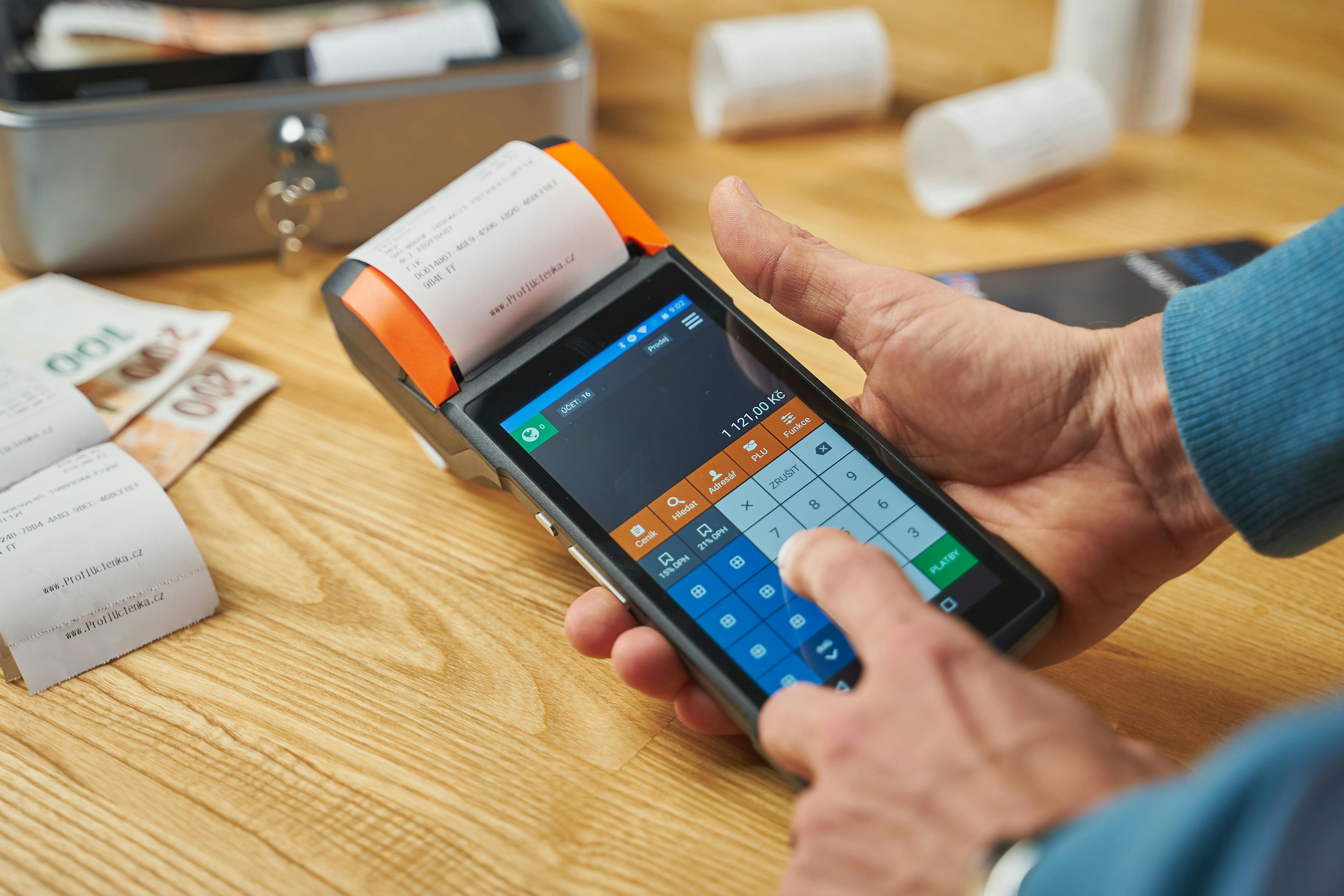
- Mandatory Digital Integration: Merchants above a certain turnover threshold must integrate POS systems with the Federal Board of Revenue (FBR) network.
- Incentives for Digital Payments: The government promises tax rebates for digital transactions and lower MDR (merchant discount rate) fees.
- Expansion of Raast and QR Payment Infrastructure: State Bank and commercial banks are working to extend QR-based payments to small vendors and service providers.
Together, these measures are intended to reduce cash circulation, expand the tax net, and improve transparency — objectives long viewed as vital for Pakistan’s fiscal stability.
The Reality Check: A Patchy Transition
Despite the intent, the path to a cashless economy is far from smooth. The infrastructure gap between urban centers and rural regions remains vast. Broadband reliability, digital literacy, and banking access all vary widely across provinces. Many small traders operate in purely cash ecosystems — not because they resist progress, but because digital tools are still expensive, unreliable, or poorly supported.
There’s also a trust deficit. Repeated network outages, data breaches, and unclear consumer protection frameworks have made many users skeptical of full digital reliance. For freelancers and small exporters, PayPal’s continued absence and complex international payment channels are additional barriers.
Winners and Losers
- Winners: Fintech startups, digital banks, and urban service sectors stand to benefit the most. The move will likely attract venture funding and accelerate integration between local payment networks and global systems.
- Losers: Informal traders, low-income households, and microbusinesses risk being excluded or overburdened. Without robust digital education and infrastructure support, they could be left behind in an increasingly formalized economy.
The Cautionary Note
While the government’s ambition aligns with global financial modernization trends, Pakistan’s economic fabric is uniquely fragile. A hasty transition risks widening the gap between formal and informal sectors. Digital payments can improve transparency, but they cannot substitute for systemic reforms in governance, taxation, and trust-building.
Economic experts from SBP and independent think tanks have warned that policy sequencing matters — pushing digital compliance before strengthening the ecosystem could lead to pushback or even reduced transaction volume. The lesson from countries like India is clear: large-scale digitalization must be inclusive, gradual, and supported by strong consumer safeguards.
In the long run, Pakistan’s cashless vision could become a cornerstone of its modernization story — but only if it builds the foundation first.






Leave a Reply